
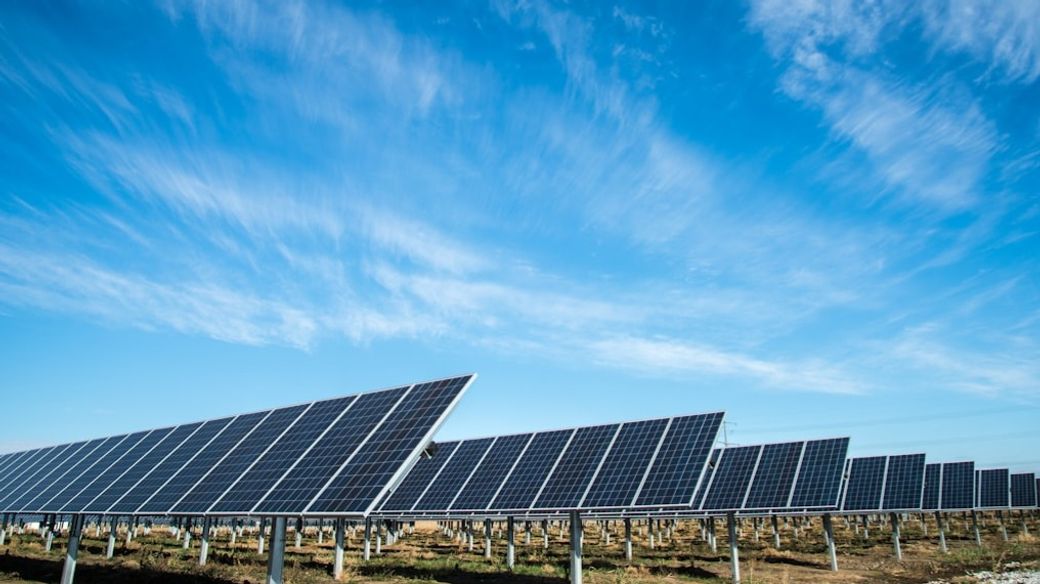
Bradda Head Lithium (AIM:BHL), the North America-focused lithium developer, said its wholly owned US subsidiary Zenolith has signed an accommodation agreement with solar developer SunShare covering roughly 16 acres of its 136-acre brine lease in Slippery Rock Township, Lawrence County, Pennsylvania.
The deal lets SunShare build a commercial solar facility on part of the site while Bradda retains its underlying brine lease, mineral rights and access for future lithium development.
Bradda will receive an initial US$5,000 payment within 10 business days, followed by a US$20,000 option payment once SunShare issues an Effective Notice to proceed with development.
SunShare can extend the agreement for up to five additional 12-month periods, at US$5,000 each, if construction has not started.
Once building begins, SunShare will take over the brine lease's annual rental payments, currently US$1,339 through 2027, rising to US$2,421 from 2028 if the lease extension is exercised.
The agreement lapses if the solar project fails to reach commercial operation within three years of the Effective Notice being issued.
"This agreement enables the proposed solar development to progress while preserving the company's brine lease, mineral rights and access for potential future development," said Ian Stalker, Executive Chair.
Bradda noted the solar facility could eventually supply renewable power to a future direct lithium extraction pilot plant on the site, aligning with its environmental, social and governance strategy.
News Intelligence what this means for the company

Bradda Head's Zenolith subsidiary has signed an accommodation agreement allowing solar developer SunShare to build a commercial facility on 16 of its 136 acres in Pennsylvania, while Bradda retains the underlying brine lease and mineral rights. The deal generates near-term cash (US$5,000 upfront, US$20,000 on notice to proceed) and transfers annual lease payments to SunShare once construction begins, preserving Bradda's optionality for future lithium extraction while potentially supplying renewable power to a pilot direct lithium extraction plant.
This is a land-use optimization play that monetizes idle acreage without surrendering mineral rights or development access—a low-friction way to offset lease carrying costs while the company advances its core lithium projects. The deal does not materially alter Bradda's lithium development timeline or capital requirements, but demonstrates pragmatic portfolio stewardship on a non-core asset.
Insights assembled by AI. Editor-reviewed and grounded in tickstock’s coverage and proprietary knowledge graph.
Content is for informational purposes only, not financial advice.