
Mila Resources (LSE:MILA) said on Wednesday it has upgraded the JORC mineral resource estimate at its Coffey Gold Deposit, one of three deposits at the Kathleen Valley project, to 41,300 ounces of contained gold.
The London-listed company, a post-discovery gold and copper resource developer focused on Australia, holds rights to 30% of the Kathleen Valley Project with an option to increase that stake to 80%.
The new Inferred Mineral Resource covers 599,000 tonnes at 2.1 grammes per tonne gold, based on a 0.5g/t cut-off, roughly double the tonnes and ounces reported in the previous estimate of November 2020, which stood at 327,000 tonnes at 2.0g/t for 21,000 ounces.
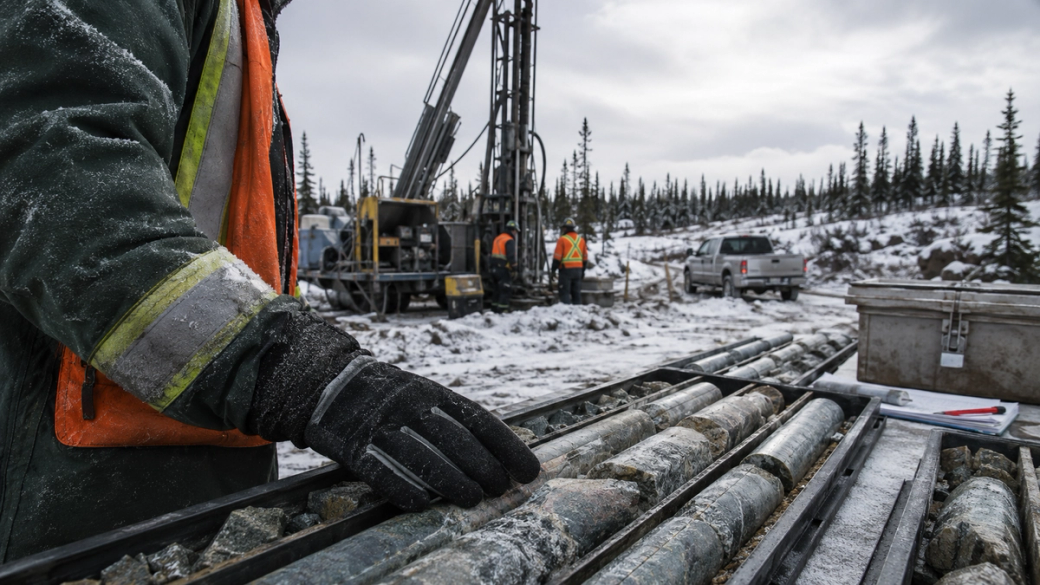
The updated figure is based on 44 drill holes totalling 8,914 metres completed since 2019, up from the 12 holes underpinning the earlier estimate.
The deposit also returned grades of 4.6g/t silver and 0.71% zinc at the same cut-off, though these remain outside the JORC-reportable resource pending metallurgical testing.
"Doubling the Mineral Resource at the Coffey Gold Deposit is a significant achievement", said Executive Director Mark Stephenson, adding that the mineralising system may extend beyond the current resource envelope and onto neighbouring ground.
Two untested targets, Sturrock and Powell, remain within the wider project, alongside mapped lithium-bearing pegmatites.
The board is now reviewing options to realise value from Kathleen Valley while continuing to prioritise its Queensland portfolio.
Kathleen Valley sits within Western Australia's Wiluna-Norseman Belt, near Liontown Resources' Kathleen Valley lithium mine and the Bellevue Gold Project.
News Intelligence what this means for the company

Mila Resources doubled the gold resource at its Coffey deposit to 41,300 ounces (599,000 tonnes at 2.1g/t) from 21,000 ounces in November 2020, based on 44 drill holes totalling 8,914 metres versus 12 holes previously. The upgrade validates the mineralising system's scale and suggests further upside: two untested targets (Sturrock and Powell) remain within the wider Kathleen Valley project, and the deposit may extend beyond the current resource envelope onto neighbouring ground.
The doubling of the Coffey resource materially de-risks Kathleen Valley as a development asset and supports Mila's strategy of advancing stranded exploration projects toward production potential. However, Mila holds only 30% of the project with an option to 80%, and the board is reviewing value-realisation options while prioritising its Queensland portfolio—signalling that Kathleen Valley may not be the near-term focus despite this upgrade.
Insights assembled by AI. Editor-reviewed and grounded in tickstock’s coverage and proprietary knowledge graph.
Content is for informational purposes only, not financial advice.