
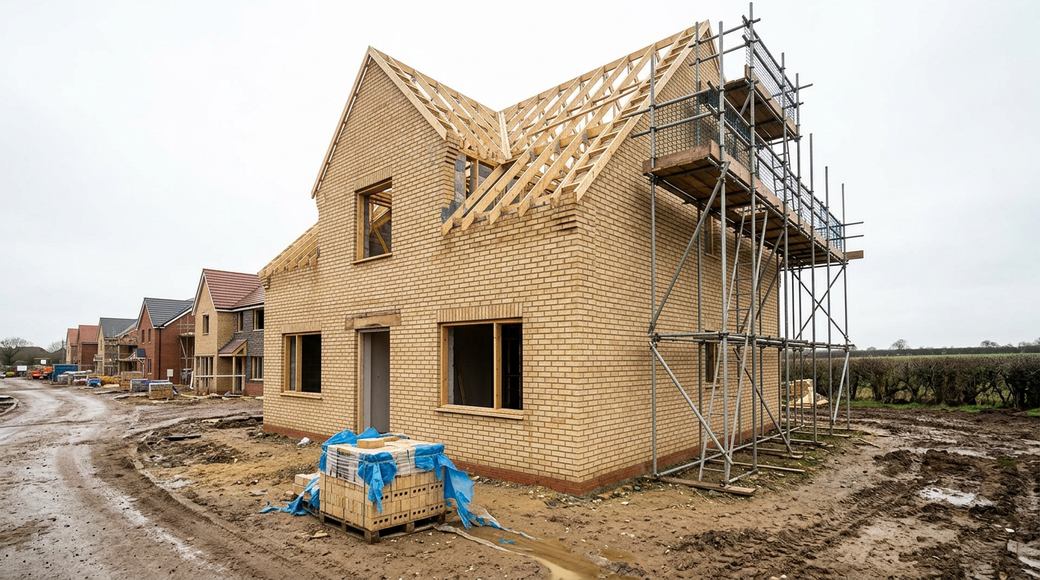
Interactive investor's Head of Markets Richard Hunter says Berkeley Group (LSE:BKG)'s full-year results reflect a company operating at the lower end of a housing cycle it did not create, burdened by tax, planning and regulatory headwinds, yet projecting what he calls "unflinching optimism for the future."
Hunter argues that Berkeley, the London and South East-focused residential developer, is caught between structural long-term demand and near-term policy dysfunction, noting that the time required to complete a London apartment building from acquisition to clearance has stretched from five years to eight over the past decade.
The analyst flags a £6.4 billion expected future gross profit on Berkeley's combined land bank, which spans more than 50,000 existing plots and 11,000 in the pipeline, as the key figure underpinning earnings visibility, while also highlighting that new housing starts in London recently fell to levels last seen during the 2008 financial crisis.
Hunter's forward catalyst is a reversal of the interest rate and regulatory environment: he points to strong wage growth, property price inflation and adequate mortgage availability as the conditions that should drive demand recovery once near-term pressure on rates subsides.