
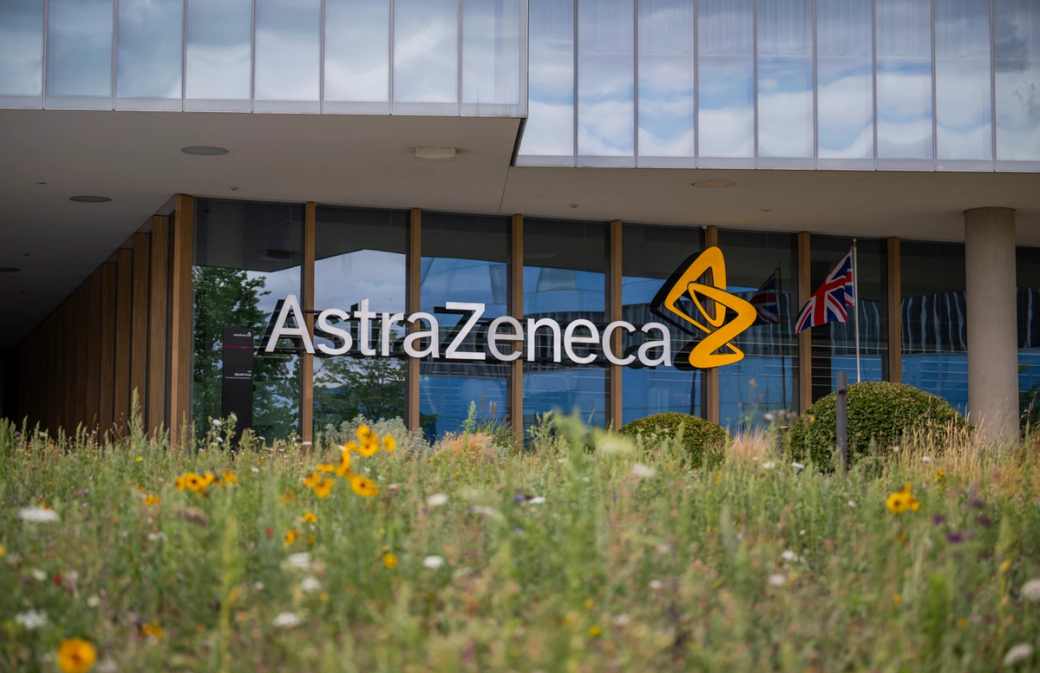
AstraZeneca (LSE:AZN) shares dropped on Monday after reports that Britain's biggest drugmaker had explored a merger with US rival Bristol Myers Squibb Co.
A combined group would be worth close to $400 billion, ranking fourth in the industry by market value.
AstraZeneca, headquartered in Cambridge, entered Monday with a market capitalisation of roughly $264 billion, against $133 billion for Princeton, New Jersey-based Bristol Myers, best known for its cancer treatments.
Talks have taken place in recent months, though sources cautioned a deal may never materialise, and neither company has confirmed the discussions.
Bristol Myers shares rose 6% in premarket trading, while AstraZeneca's slide dragged on the FTSE 100.
Analysts questioned the logic given AstraZeneca's own momentum: chief executive Pascal Soriot has built the company's pipeline roughly cancer immunotherapies since fending off a hostile £70 billion approach from Pfizer in 2014, and AstraZeneca is targeting $80 billion in sales by 2030, up from $58.7 billion last year.
A deal would also extend AstraZeneca's US push, where it has already committed $50 billion to research and manufacturing by 2030.
Bristol Myers faces looming loss of exclusivity on several drugs, even as its shares have performed strongly over the past year on better-than-expected earnings.
The two companies are not strangers: they partnered on diabetes therapies in 2007, and AstraZeneca bought out Bristol Myers' stake in that alliance in 2013 for $2.7 billion upfront.
In London, AstraZeneca shares were down close to 9%, giving up 1,112p to 11,519p.
News Intelligence what this means for the company

AstraZeneca explored a merger with Bristol Myers Squibb that would create a $400 billion pharmaceutical group, but talks remain unconfirmed and may not materialise. The 7% share slide reflects investor scepticism: AstraZeneca's own $80 billion sales target by 2030 (up from $58.7 billion last year) and cancer immunotherapy pipeline momentum under CEO Pascal Soriot suggest the company has little need to absorb Bristol Myers, which faces looming loss of exclusivity on key drugs. The deal would also saddle AstraZeneca with integration risk and dilution at a moment when its oncology focus is delivering results.
- Bristol Myers shares rose 6% in premarket trading, reflecting the takeover premium embedded in any deal price—a reversal of the acquirer's loss, but contingent on talks materialising.
The merger exploration does not change AstraZeneca's standalone case: the company is executing its oncology strategy and targeting near-doubling of revenue by 2030 without acquisition. If talks collapse—as sources cautioned they may—the share price reaction today becomes a buying opportunity for investors convinced in the organic growth thesis.
Insights assembled by AI. Editor-reviewed and grounded in tickstock’s coverage and proprietary knowledge graph.
Content is for informational purposes only, not financial advice.