
Caspian Sunrise (AIM:CASP), the AIM-listed oil and gas group focused on Kazakhstan's Mangistau region, said it is moving to complete the conditional acquisition of Tau-Cen after receiving the required regulatory approvals.
The company announced the deal in December for a consideration of $0.7 million, with an initial focus on titanium and later plans to extend into gold and zirconium.
Caspian Sunrise also said it now has sufficient financial data on its MJF and South Yelemes structures to progress its 2025 audited financial statements, which it expects to publish in the coming weeks.
The Board expects the temporary suspension in trading of the company's shares to be lifted once those accounts are released.
All four of the group's drilling rigs are currently active, with testing under way at Deep Well 803 on the flagship BNG Contract Area's Yelemes Deep structure, where two perforated intervals will be tested in the coming days before the rig moves to spud Deep Well 701.
Drilling at Deep Well 707 has reached approximately 1,800 metres toward a planned total depth of 3,500 metres, with completion expected early in the fourth quarter of 2026.
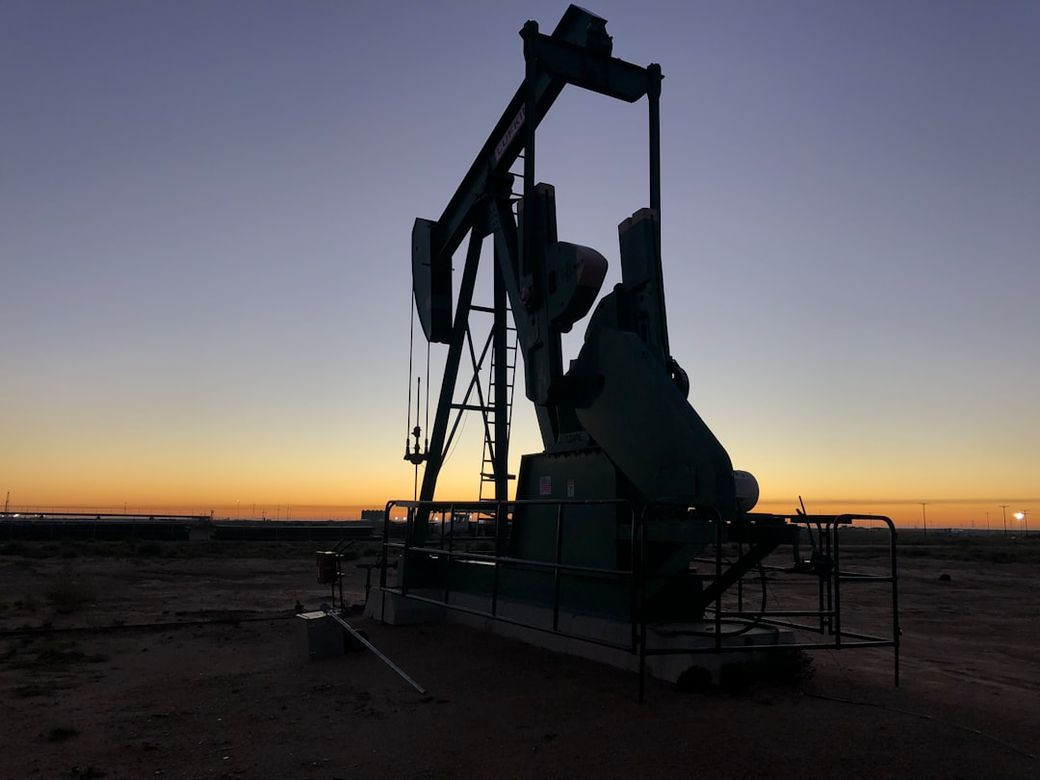
The Sholkara structure's P2 well is producing around 150 barrels of oil per day, while West Shalva, hampered by high paraffin content restricting natural flow, is now producing 50 barrels per day following installation of a sucker-rod pump.
Oil production at Block 8 and West Shalva has allowed Caspian Sunrise to resume oil trading, historically a significant contributor to group profits.
News Intelligence what this means for the company

Caspian Sunrise is completing its $0.7 million Tau-Cen acquisition and expects to publish 2025 audited accounts within weeks, which should lift the temporary suspension on its shares. The company has four drilling rigs active across its Kazakhstan assets and has resumed oil trading after bringing West Shalva and Block 8 into production—historically a significant profit driver. The near-term catalyst is the trading suspension lift; the longer-term test remains drilling three deep wells before end of 2027 to qualify for a 25-year production licence application.
Resumption of trading and publication of audited accounts removes a near-term overhang, but the investment case hinges on execution of the drilling programme and whether the company can convert appraisal assets into a production licence within the regulatory window. Oil trading revenue provides near-term cash flow, but the core value depends on proving reserves and securing long-term production rights.
Insights assembled by AI. Editor-reviewed and grounded in tickstock’s coverage and proprietary knowledge graph.
Content is for informational purposes only, not financial advice.