
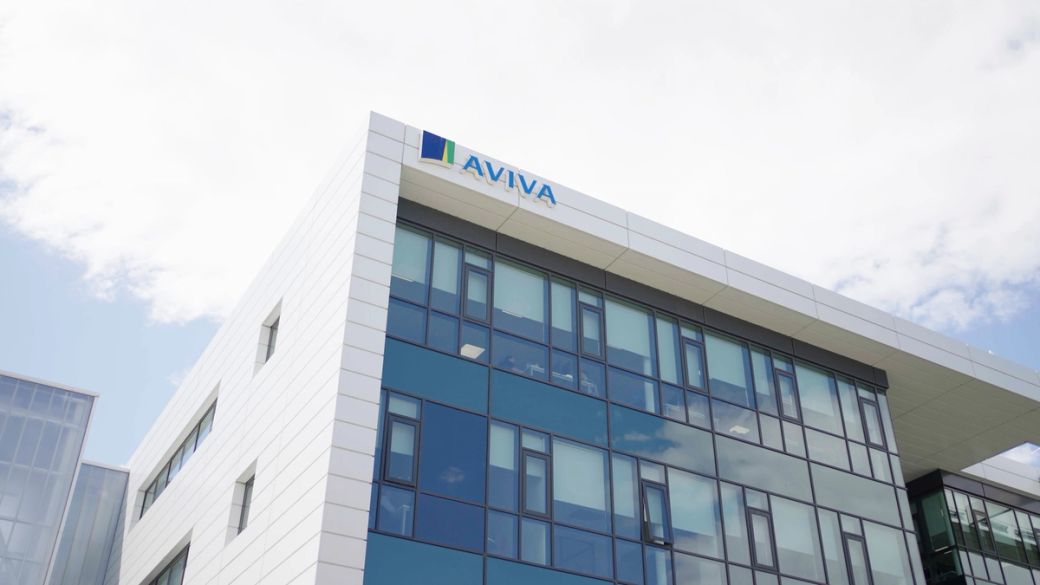
Aviva (LSE:AV.) reported operating profit of £1,326 million for the six months to 30 June, up 24% on the £1,068 million booked in the same period last year.
The UK's largest diversified insurer lifted its interim dividend by 7% to 14.0p per share, from 13.1p. Operating earnings per share rose 10% to 31.8p, while cash remittances jumped 47% to £1,498 million, reflecting the integration of Direct Line, acquired on 1 July last year.
IFRS profit for the period fell 49% to £418 million, from £819 million, after negative investment variances of £490 million tied to interest rate and equity hedging, alongside integration and restructuring costs.
General insurance premiums rose 29% to £8,093 million, with UK personal lines premiums up 98% on the Direct Line addition, while UK commercial lines premiums slipped 1% in the most recent quarter as the group prioritised underwriting discipline over volume.
Wealth net flows climbed 32% to £7.6 billion, lifting assets under management to £261 billion, while bulk purchase annuity volumes fell to £1.1 billion from £2.0 billion amid a more competitive market.
"We have now achieved six consecutive years of excellent financial performance, with much more to come," said Amanda Blanc, Group Chief Executive Officer.
Aviva said it is confident of meeting its three-year targets by 2028, including operating earnings per share growth of an 11% compound annual rate, IFRS return on equity above 20%, and cumulative cash remittances exceeding £7 billion between 2026 and 2028, with operating EPS growth this year expected broadly in line with that 11% target rate.
News Intelligence what this means for the company

Aviva's operating profit jumped 24% to £1.33 billion in H1 2026, driven by the Direct Line acquisition completed last July and organic growth in general insurance and wealth. The company raised its interim dividend 7% and signalled confidence in meeting three-year targets including 11% compound annual operating EPS growth through 2028, though IFRS profit fell 49% due to investment hedging losses unrelated to core operations.
The Direct Line integration is delivering material scale—general insurance premiums rose 29% and cash remittances jumped 47%—while wealth assets under management reached £261 billion. However, the 49% IFRS profit decline and solvency ratio decline from 180% to 176% (though still in the group's working range) show integration costs and market headwinds offsetting operational gains; investors should monitor whether the 11% EPS growth target holds as integration normalises.
Insights assembled by AI. Editor-reviewed and grounded in tickstock’s coverage and proprietary knowledge graph.
Content is for informational purposes only, not financial advice.