
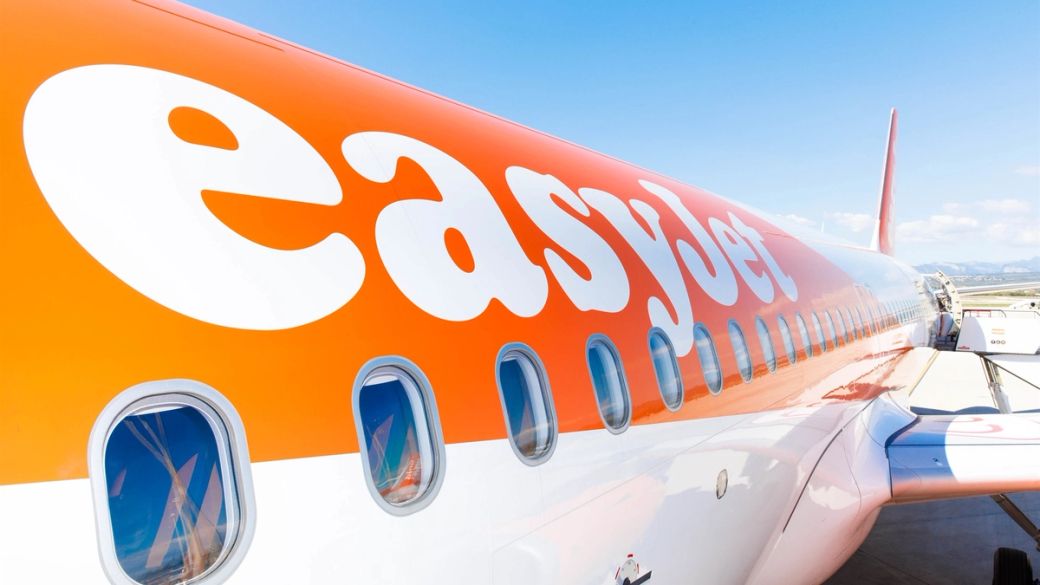
EasyJet (LSE:EZJ) reported headline profit before tax of £85 million for the third quarter to 30 June, down sharply from £286 million in the same period last year.
The budget airline said the Middle East conflict, which began in March, drove fuel prices higher and weakened consumer demand, though strong late bookings partly offset the hit.
Fuel cost per available seat kilometre rose 13%, adding £105 million in absolute costs year-on-year, with prices peaking near $1,800 per metric tonne in April.
Revenue per available seat kilometre fell 3% year-on-year, though that marked a 1 percentage point improvement on the booked position seen in May. Capacity rose 3% and passenger numbers reached 25.8 million, with load factor down 1 percentage point to 88.9%. Non-fuel costs rose 3%, in line with guidance.
EasyJet holidays delivered £84 million in profit before tax, against £86 million a year earlier, with customer numbers up 8%.
"Pricing has been attractive, driving strong late booking demand for our flights and holidays," said chief executive Kenton Jarvis.
For the fourth quarter, the airline is 68% sold, down 2 percentage points year-on-year with yields broadly flat; every 1 percentage point movement in fourth-quarter revenue per available seat kilometre equates to roughly £33 million. Early bookings for the first quarter of fiscal 2027 show ticket yields up mid-single digits. Sophie Dekkers will become chief operating officer, with Daniel Skjeldam joining as chief commercial officer on 1 September.
News Intelligence what this means for the company

EasyJet's Q3 profit collapsed 70% to £85m as Middle East conflict-driven fuel costs surged £105m year-on-year, overwhelming modest revenue gains from late bookings. Revenue per available seat kilometre fell 3% despite 3% capacity growth, signalling demand weakness that pricing power alone could not offset. The airline faces a takeover bid process—Castlelake's deadline to declare firm intention is 3 August 2026—while trading into Q4 with yields broadly flat and only 68% of seats pre-sold.
- Q4 guidance sensitivity is acute: every 1 percentage point swing in revenue per available seat kilometre equals £33m profit, and the airline enters the quarter 2 percentage points behind last year's booking position with yields flat.
- Fuel hedging protection eroded sharply: about 72% of fuel was hedged at $726/tonne as of late June, but Q3 spot prices peaked near $1,800/tonne, leaving unhedged exposure and future quarters vulnerable if geopolitical risk persists.
The profit miss and demand softness undermine the case for operational momentum, though early FY27 Q1 bookings show mid-single-digit yield improvement. The pending takeover deadline (early August) creates binary event that may dominate near-term trading over operational recovery.
Insights assembled by AI. Editor-reviewed and grounded in tickstock’s coverage and proprietary knowledge graph.
Content is for informational purposes only, not financial advice.
