
Cobra Resources (LSE:COBR), the South Australian mineral explorer advancing the Wudinna Heavy Rare Earth Project and the Manna Hill Copper Project, reported an unaudited operating loss of £1.91m for the six months to 30 June, up sharply from £448,128 a year earlier.
The loss per share widened to £0.0022 from £0.0006, a rise the company attributed to a considerable increase in operational activity compared with the same period last year. Cash stood at £4.02m at period end, up from £841,842 a year earlier, which the company said is sufficient to fund its planned exploration programme.
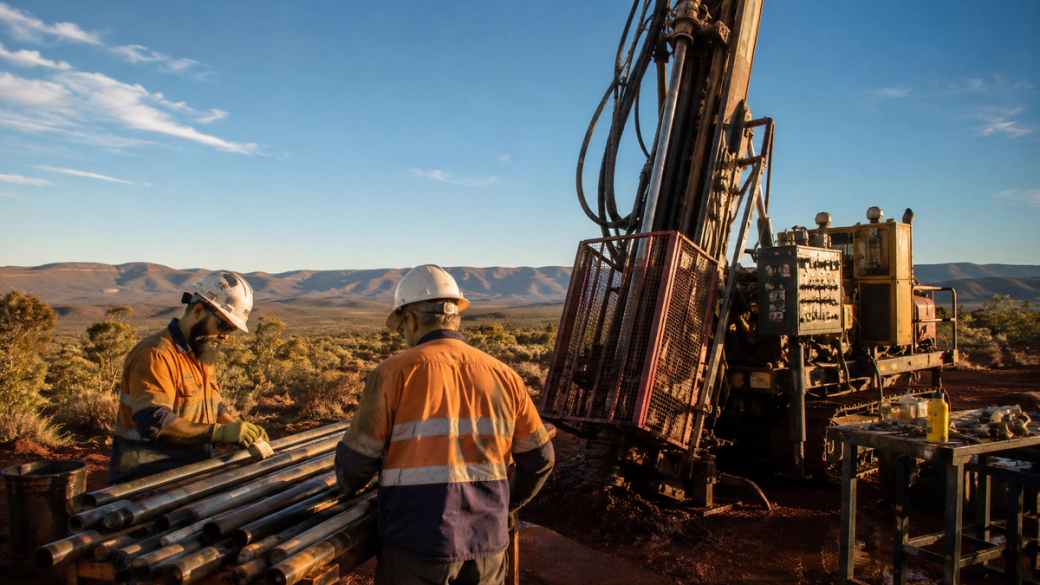
At Manna Hill, initial reverse circulation drilling at the Blue Rose discovery returned 74m at 1.02% copper and 0.25 g/t gold from 70m, among other high-grade intersections, prompting the start of diamond drilling to test the interpreted porphyry system.
Meanwhile, at Wudinna, Cobra completed the acquisition of three further exploration licences, expanding its land position to more than 3,200 square kilometres, and drilled 74 sonic core holes across the Boland and Head prospects to support a maiden Mineral Resource Estimate.
The combined carrying value of Cobra's Barton Gold shares and shares receivable fell to £2.70m from £4.21m, reflecting a decline in Barton Gold's quoted share price from A$1.32 to A$0.81, and generated a £1.40m fair value loss.
Post period-end, Cobra completed four diamond holes totalling 1,465m at Manna Hill and formally exercised its option to acquire the project, with assays pending.
"We remain focused on disciplined technical de-risking and delivering the next value-defining milestones," said Andrew Michelmore, who joined as Non-Executive Chair during the period following Greg Hancock's retirement.
Cobra has engaged ERM to complete the Wudinna resource estimate, with a small-scale in situ recovery production demonstration targeted for the first half of 2027.
News Intelligence what this means for the company

Cobra Resources' H1 operating loss more than quadrupled to £1.91m as drilling activity accelerated at both Wudinna and Manna Hill, but the company offset this burn with a cash raise that lifted reserves to £4.02m—nearly five times the prior-year position. The loss widened despite no revenue, reflecting the cost of stepping up exploration; cash sufficiency for the planned programme is the offsetting fact that prevents this from being a distress signal.
The company is trading cash for de-risking: burn rate has risen sharply, but so has the war chest, and the option to acquire Manna Hill has been exercised with assays pending. The real test is whether the maiden resource estimate at Wudinna and the porphyry drilling at Manna Hill deliver the value-defining milestones management promises; until then, this is a cash-funded exploration bet with no near-term revenue.
Insights assembled by AI. Editor-reviewed and grounded in tickstock’s coverage and proprietary knowledge graph.
Content is for informational purposes only, not financial advice.
