
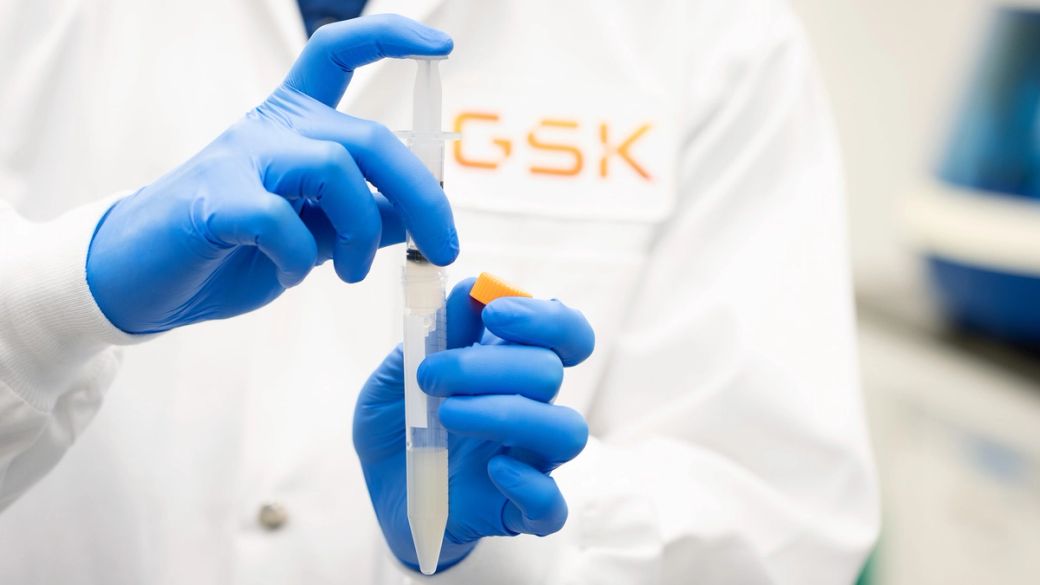
GSK (LSE:GSK) has reported positive interim results from the registrational phase II AZUR-1 trial of Jemperli (dostarlimab) in patients with stage II/III mismatch repair deficient/microsatellite instability-high (dMMR/MSI-H) locally advanced rectal cancer.
The UK-listed drug maker reported that single-arm trial met its primary objective, showing a meaningful and sustained clinical complete response rate at 12 months, a result GSK says represents a substantial improvement over historical standard of care.
The trial enrolled 154 participants who received nine cycles of dostarlimab alone over six months, with no chemotherapy, radiation or surgery.
Rectal cancer affects around 730,000 people globally each year, and the dMMR/MSI-H subtype accounts for around 5-10% of cases, a population for which standard treatment can carry lasting effects including colostomy dependence and infertility.
Hesham Abdullah, GSK's senior vice president and global head of oncology R&D, said the data "demonstrate that some patients may be able to avoid those interventions while remaining free of detectable signs of cancer."
The safety and tolerability profile observed in the interim analysis was consistent with dostarlimab's established profile across solid tumours.
Jemperli, a PD-1-blocking antibody discovered by AnaptysBio and licensed to GSK's Tesaro unit in 2014, underpins the company's broader immuno-oncology programme spanning gynaecologic, colorectal and head and neck cancers.