
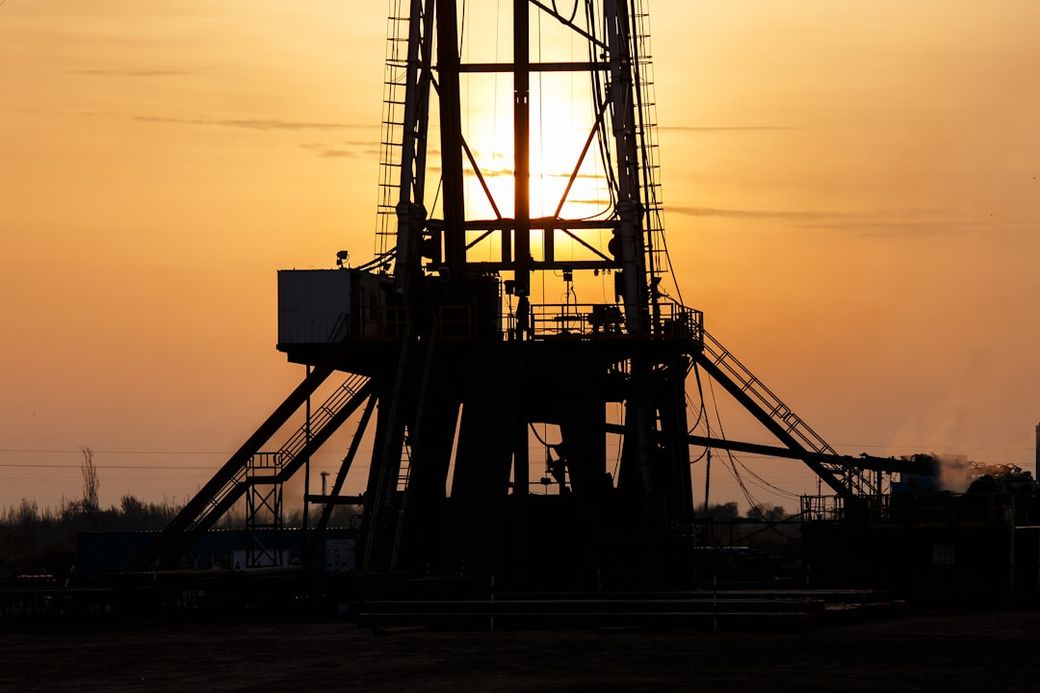
Touchstone Exploration (TSX, LSE:TXP), the Trinidad and Tobago-focused oil and gas producer, said its drilling rig is now on location at the WD-4 block ahead of a two-well development campaign, with the first well expected to spud in mid-September.
The turnkey drilling costs for the second well will be covered by the drilling contractor, reducing Touchstone's capital exposure to the program.
Net sales production averaged 4,402 barrels of oil equivalent per day (boe/d) in July, with field-estimated net production of 4,392 boe/d in August.
At the Cascadura-2ST1 well in the Ortoire block, a solvent squeeze treatment delivered promising incremental production gains, and Touchstone plans to evaluate similar treatments across other Cascadura wells during the second half of 2026.
The Cascadura booster compressor's uptime improved from approximately 57% in July to 73% in August, lifting average gross natural gas production from 9.7 million cubic feet per day (MMcf/d) to 12.6 MMcf/d over the same period, with a target uptime of 97%.
At the Central block's CR-3 well, a coiled tubing cleanout and acid stimulation program produced only a response and failed to resolve reservoir damage from drilling.
Touchstone is now preparing a completion program targeting the uphole Karamat sands, which showed encouraging hydrocarbon potential and contain approximately 82 feet of net pay, with execution targeted for October.
Effective 1 September, the company amended its Central block condensate marketing contract to link pricing to Brent crude rather than West Texas Intermediate (WTI), a change it expects will improve realized pricing given Brent's historically narrower discount for Trinidad liquids.
News Intelligence what this means for the company

Touchstone has mobilized a rig for a two-well WD-4 development campaign with the first well expected to spud mid-September, with the drilling contractor covering costs for the second well to reduce capital exposure. Production held steady at ~4,400 boe/d in July–August, but results from workover programs were mixed: a solvent squeeze at Cascadura-2ST1 showed promise and gas production improved as compressor uptime rose from 57% to 73%, while a coiled tubing intervention at Central's CR-3 well failed to resolve reservoir damage, forcing the company to pivot to a completion targeting the Karamat sands in October. The company also switched Central block condensate pricing from WTI to Brent effective 1 September, expecting better realized pricing given Brent's tighter discount for Trinidad liquids.
The WD-4 campaign and contractor-funded second well represent near-term production upside with limited capital drag, while the Cascadura solvent squeeze success and compressor reliability gains suggest operational leverage in the second half of 2026. However, the CR-3 setback and reliance on an October Karamat completion to unlock Central block value introduce execution risk, and the Brent pricing switch, though favorable in principle, depends on the historical discount differential holding.
Insights assembled by AI. Editor-reviewed and grounded in tickstock’s coverage and proprietary knowledge graph.
Content is for informational purposes only, not financial advice.
