
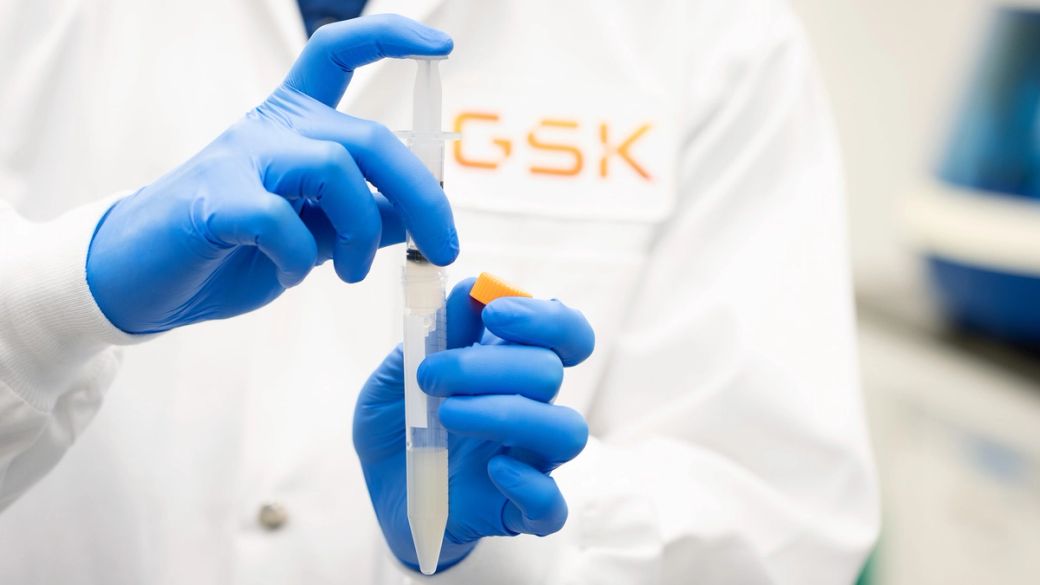
GSK (LSE:GSK) told investors that licensor Hansoh Pharmaceutical Group reported positive overall survival data from ARTEMIS-008, a pivotal phase III trial in China testing risvutatug rezetecan (Ris-Rez) against topotecan in relapsed small-cell lung cancer.
The drug reduced the risk of death by 54% compared with topotecan, a standard second-line chemotherapy, marking the first phase III data to show a survival benefit for a B7-H3-targeted antibody-drug conjugate in any tumour type.
Patients on Ris-Rez lived a median of 18.5 months versus 10.3 months for those on topotecan, meeting the trial's primary endpoint after 12.2 months of median follow-up.
Severe treatment-related side effects occurred less often with Ris-Rez, at 60.9% of patients versus 78.2% on topotecan, with haematologic effects such as decreased neutrophils and anaemia the most common.
"The significant improvement in survival observed in this study, together with an encouraging safety profile, provide further momentum for GSK's global development of Ris-Rez," said Hesham Abdullah, GSK's senior vice president and global head of oncology, R&D.
GSK holds rights to develop and sell Ris-Rez outside mainland China, Hong Kong, Macau and Taiwan, and is running the drug through a broader programme spanning lung cancer, prostate cancer and other solid tumours.
Pivotal data from its phase III EMBOLD SCLC-301 trial in relapsed extensive-stage small cell lung cancer is expected next year.
News Intelligence what this means for the company

GSK's licensed antibody-drug conjugate Ris-Rez met its primary endpoint in a phase III trial, cutting death risk by 54% versus standard chemotherapy in relapsed small cell lung cancer, with median overall survival of 18.5 months versus 10.3 months on topotecan. The drug also showed a lower severe adverse event rate (60.9% vs 78.2%), positioning it as the first B7-H3-targeted ADC to demonstrate a survival benefit in any tumour type; GSK holds global rights outside mainland China and is advancing the drug through a broader oncology programme with pivotal data from a second phase III trial expected next year.
The ARTEMIS-008 result validates GSK's oncology strategy and de-risks a key asset in its pipeline, though the trial was conducted in China and GSK's own phase III programme (EMBOLD SCLC-301) remains pending. Success in that trial would be material to GSK's near-term growth prospects in small cell lung cancer.
Insights assembled by AI. Editor-reviewed and grounded in tickstock’s coverage and proprietary knowledge graph.
Content is for informational purposes only, not financial advice.
