
Canada is set to announce a landmark liquefied natural gas (LNG) export deal with Germany, marking the first such agreement between the two countries and a significant step in Ottawa’s push to diversify energy trade beyond the United States.
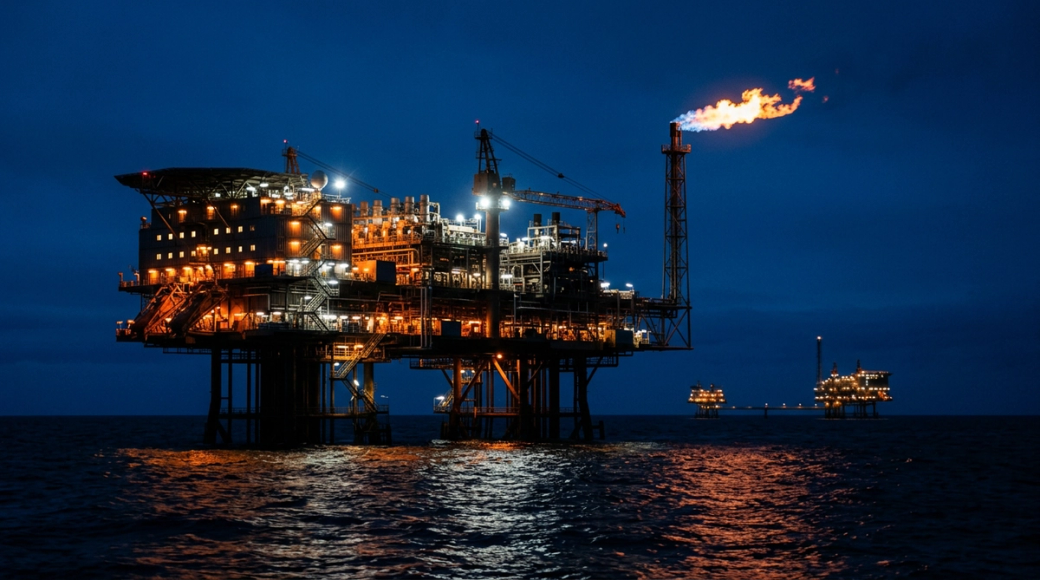
The agreement will see Germany’s state-owned energy company SEFE buy up to 1m metric tonnes of LNG a year from the proposed Ksi Lisims export terminal on Canada’s Pacific coast in British Columbia. The deal is expected to help unlock a final investment decision on the C$10bn (£5.4bn) project later this year.
Canadian prime minister Mark Carney has made diversifying exports beyond the US a central economic priority, with almost all of Canada’s oil and gas currently shipped south of the border. The agreement also strengthens Germany’s push to secure long-term energy supplies after Russia slashed gas exports to Europe during the Ukraine war.
The Ksi Lisims project is backed by the Nisga’a First Nation alongside Western LNG and Rockies LNG, and has already secured long-term purchase agreements with Shell and TotalEnergies.
German efforts to seek alternatives to Russian gas
Germany had previously pressed Canada to expand LNG exports during Olaf Scholz’s visit to the country in 2022, but then-prime minister Justin Trudeau instead prioritised a hydrogen partnership, arguing there was limited business demand for east coast LNG facilities.
Germany’s SEFE, formerly a subsidiary of Gazprom nationalised in 2022, has been seeking reliable alternatives to Russian gas amid supply disruptions caused by the war in Ukraine and ongoing instability in the Middle East. Analysts say Canada’s entry into the European energy market could help ease soaring natural gas prices in Europe, which have been exacerbated by geopolitical conflicts. Prime Minister Mark Carney has set a goal to double Canada’s non-US trade within a decade, and this deal is seen as a cornerstone of that strategy.
Environmental groups' opposition
The project faces opposition, however, from First Nations and environmental groups. Critics argue that Ksi Lisims is a “high-risk, legally contested fossil fuel project” that lacks broad Indigenous consent and raises unresolved environmental and reconciliation concerns. Alex Walker of Environmental Defence told media reporters that despite the government’s enthusiasm, the project “is not a Canadian export success story waiting to happen.”
The latest deal reflects how Europe’s energy security concerns have reshaped global gas markets. Germany, once heavily dependent on Russian gas imports, has spent the past four years rapidly building LNG import terminals and signing supply agreements with countries including Qatar, the US and now Canada.