
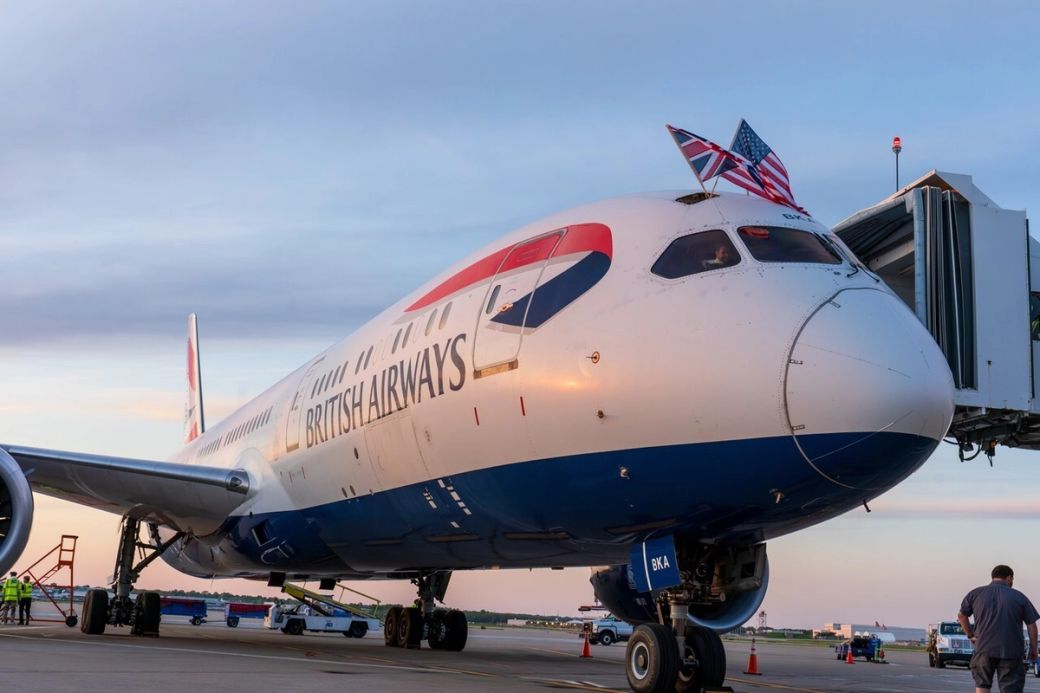
International Consolidated Airlines Group (LSE:IAG), owner of British Airways, Iberia, Aer Lingus and Vueling, posted revenue of €16.064 billion for the six months to 30 June, up 1% on the same period last year.
Operating profit before exceptional items fell to €1.757 million from €1.878 million, pushing the operating margin down to 10.9% from 11.8%.
The second quarter bore the brunt of the pressure, with operating profit before exceptional items down 16.3% to €1,406 million as higher fuel costs, reduced capacity from the Middle East crisis, and Easter timing weighed on results.
The group recovered around 60% of the higher fuel cost through revenue and cost initiatives, in line with prior guidance.
"IAG has again demonstrated that its excellent fundamentals are supporting continued value creation for our shareholders, despite the impact of the crisis in the Middle East and wider geopolitical events", said chief executive Luis Gallego.
Free cash flow rose to €2.905 million from €2.097 million, aided by fleet delivery timing and a base effect from last year's HMRC payment.
Net leverage stood at 0.6 times and gross leverage at 1.8 times at period end, with the final 2025 dividend paid in June.
IAG now expects flat capacity for 2026 versus previously guided growth, flat non-fuel unit costs, and full-year fuel costs between €8.3 billion and €8.6 billion depending on the price curve.
The group said it expects full-year operating margin to remain within its 12% to 15% target range, with bookings for the second half around 57% complete and in line with last year.
News Intelligence what this means for the company

IAG's first-half operating profit fell 6.4% to €1,757 million as higher fuel costs and Middle East capacity cuts outpaced 1% revenue growth, compressing the operating margin to 10.9% from 11.8%. Despite the headwind, management held its full-year operating margin target of 12–15%, signalling confidence that second-half bookings (57% complete) and cost recovery will restore profitability to guidance—though it downgraded 2026 capacity growth to flat and raised full-year fuel cost guidance to €8.3–€8.6 billion.
The margin miss in H1 is material—a 90 basis point compression—but IAG's ability to recover 60% of fuel cost inflation and maintain leverage at 0.6x net suggests the balance sheet can absorb near-term pressure. The flat 2026 capacity guidance and higher fuel cost range signal management expects headwinds to persist, capping upside unless bookings accelerate or fuel prices fall.
Insights assembled by AI. Editor-reviewed and grounded in tickstock’s coverage and proprietary knowledge graph.
Content is for informational purposes only, not financial advice.
